A building is not a neutral container
A former sorting office brings large floor plates, service circulation and an industrial scale. A department store brings display windows, vertical connections and the memory of browsing. These existing conditions do not dictate a performance, but they offer different invitations to its makers and audiences.
The examples below are documented projects, followed by our own architectural readings. They are not first-hand access audits, endorsements or promises about present-day opening. A production may close, relocate or change its route. Use the linked organisations to investigate original material and current practical information.
The Drowned Man: A Hollywood Fable
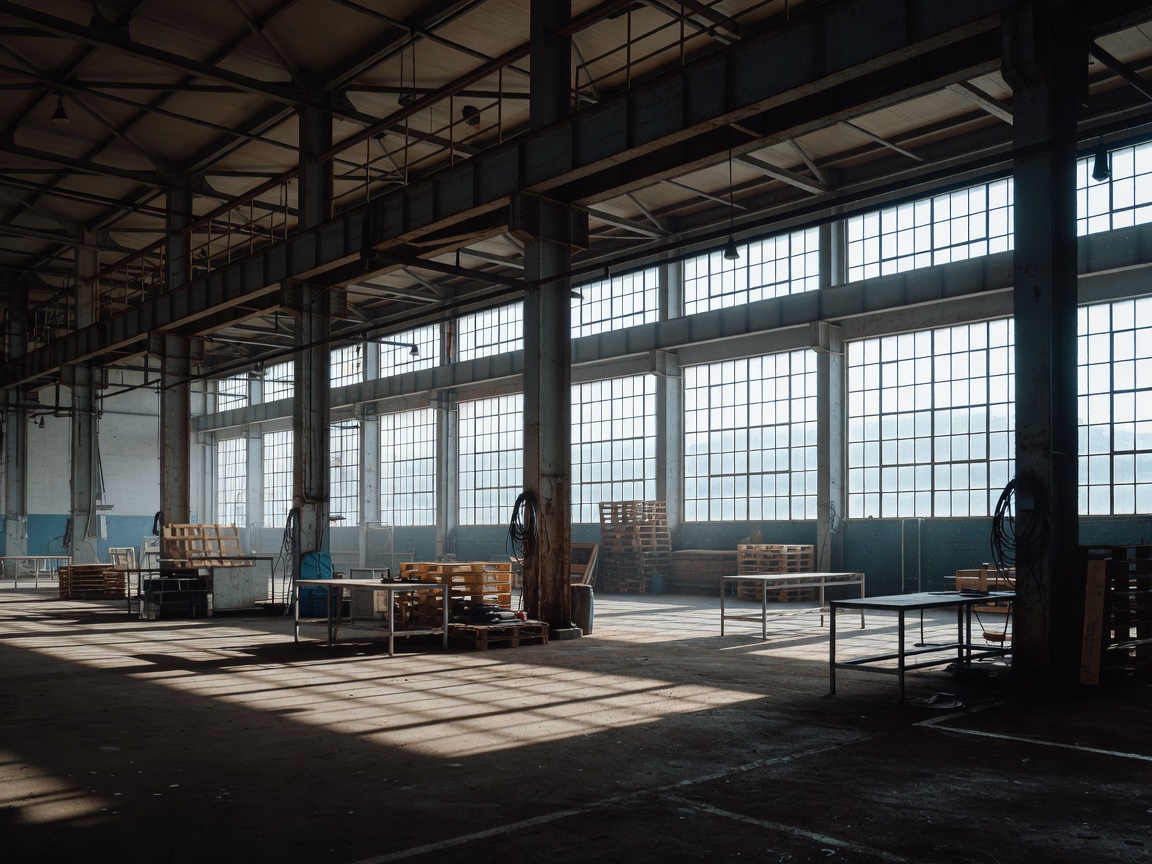
Punchdrunk staged The Drowned Man in a former Royal Mail sorting office in Paddington, transforming the building into Temple Studios and its surrounding fictional world. Audiences moved through an extensively designed environment rather than remaining in a single auditorium.
Our spatial reading: a large adapted building can hold distinct narrative territories, but scale creates an orientation problem as well as an artistic opportunity. Repeated landmarks and recognisable transitions become important when visitors construct their own sequence of encounters.
Sleep No More and the McKittrick Hotel
Punchdrunk’s Sleep No More used the theatrical identity of the McKittrick Hotel in Chelsea, New York, for a performance environment informed by Shakespeare’s Macbeth and cinematic influences. The hotel identity belongs to the constructed world of the project; it should not be casually treated as the building’s original historical use.
Our spatial reading: an institutional identity can make a collection of rooms feel internally coherent. A reception, a corridor and a private room carry familiar social expectations even before their contents become strange. The audience navigates both a physical building and an imagined set of permissions.
The lesson is not that every immersive venue needs a hotel fiction. It is that a legible organising idea can help visitors connect dispersed scenes. That coherence should not be confused with universal access or operational simplicity; those require their own evidence.
Before I Sleep
dreamthinkspeak’s Before I Sleep, inspired by Chekhov’s The Cherry Orchard, occupied the former Co-operative department store in Brighton. Its use of an existing commercial building is an important distinction from a purpose-built theatre installation.
Our spatial reading: the memory of shopping—browsing, looking through displays, moving between departments—can become material for a different kind of journey. Familiar architecture helps establish expectations that a performance can then unsettle.
Institutions that support changing routes
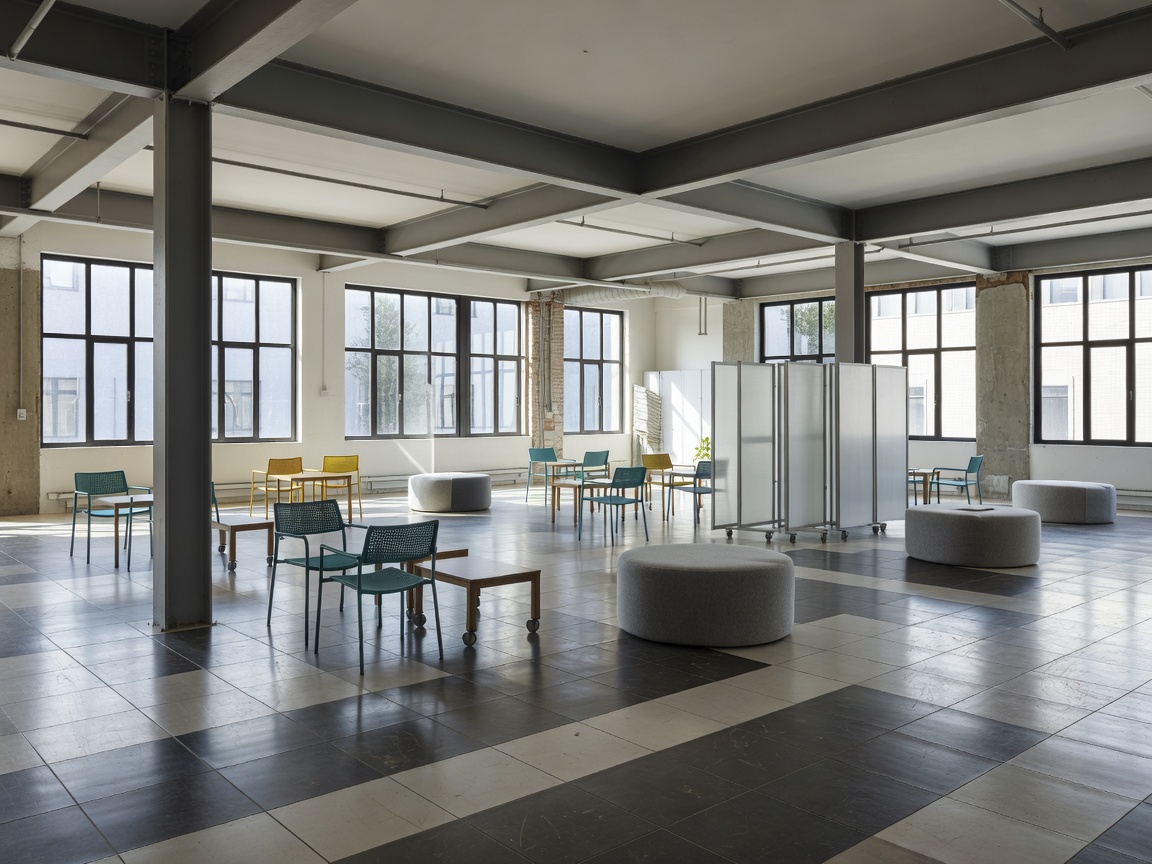
Battersea Arts Centre occupies a former town hall and supports performance across a building with varied rooms and civic history. It is not a single permanent immersive production. Its relevance here lies in the relationship between an institution, its rooms and changing artistic uses.
The Old Vic Tunnels, beneath Waterloo station, provide a historical example of performance and installation in infrastructural space. Vaulted chambers and railway adjacency can strongly shape atmosphere, but their appeal should not obscure the demands of acoustics, environmental conditions and audience management.
The Shed in New York is a different reference: a cultural building designed around transformability rather than a found interior temporarily repurposed. It is not inherently an immersive theatre venue. Comparing it with adapted sites helps separate architectural flexibility from a particular audience format.
Works that move the audience differently
Rimini Protokoll’s Remote X projects move groups through urban environments using an audio-led structure. The city becomes a changing field of encounters rather than an enclosed fictional building. Cardiff and Miller’s audio walks also offer relevant precedents for the relationship between recorded narrative and a listener’s actual surroundings, though they belong to a broader field of artistic practice.
Shunt’s work in London and You Me Bum Bum Train offer further points of comparison for spatial surprise and audience movement. Their formats should not be collapsed into a single category of “wander freely.” Some experiences tightly sequence encounters; others allow exploration. The distinction changes how doors, waiting spaces and staff routes must work.
Read each precedent by asking who controls the pace, how visitors recognise a choice and what happens between encounters. A visually striking room is only one part of a working performance environment. The route connecting rooms is often where the most consequential architecture happens.
Primary places to investigate
- Punchdrunk — production archive, including The Drowned Man and Sleep No More.
- dreamthinkspeak — Before I Sleep and other projects.
- Battersea Arts Centre and The Shed — buildings and programmes.
- Rimini Protokoll — Remote X and related projects.
- Janet Cardiff and George Bures Miller — walks and installations.
- You Me Bum Bum Train — project information.
Read the plan with fresh eyes
Return to the audience’s first decision: where to go, and why.
Explore the audience route →